Parker’s Ford to Trappe – Part 3
Once across the Schuylkill River, the Continental Army proceeded up what is now Linfield-Trappe Road towards Trappe and ultimately the fords south of Parker’s Ford to prevent the British from crossing over to the east side and moving down to Philadelphia. Today we don’t think of Philadelphia proper (at the time of the war, what is now center city was the extent of the town) not being accessible from the west bank of the Schuylkill River, but the river was a major barrier and had to be forded or crossed by boat. So these fords were key to both the British and the American strategies during the campaign. The Fatland Ford was a short distance from Valley Forge and the British encampment there – as you drive along Rt. 422 between Audubon and Oaks, you can see the current Fatlands Mansion up on the hill (which is down Pawlings Rd. from St. Gabriel’s Home, this is not the original house on this location)
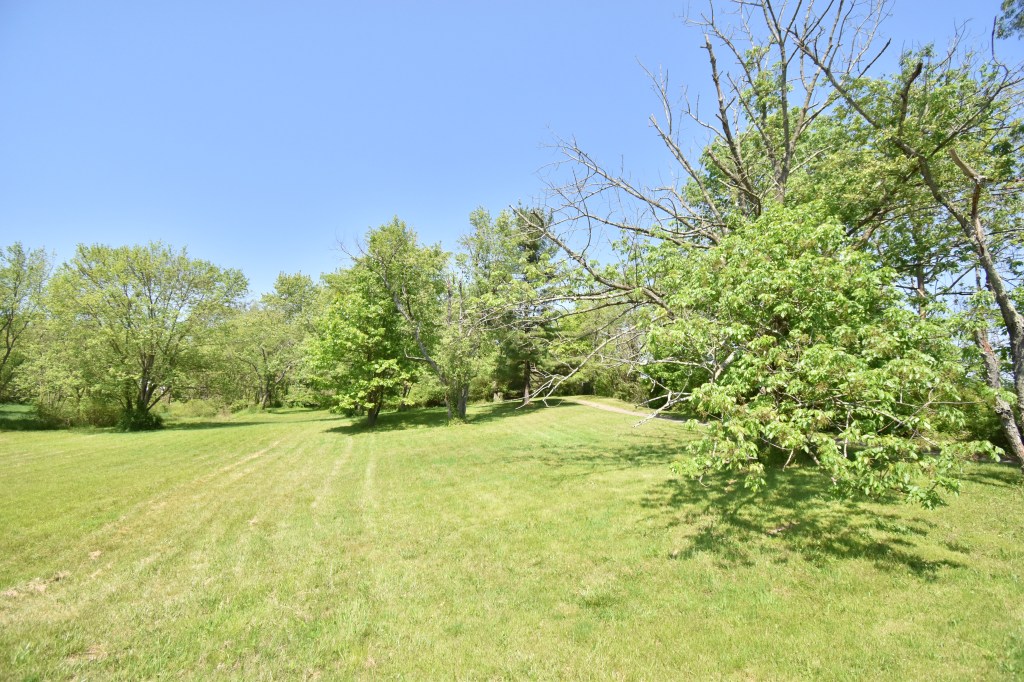
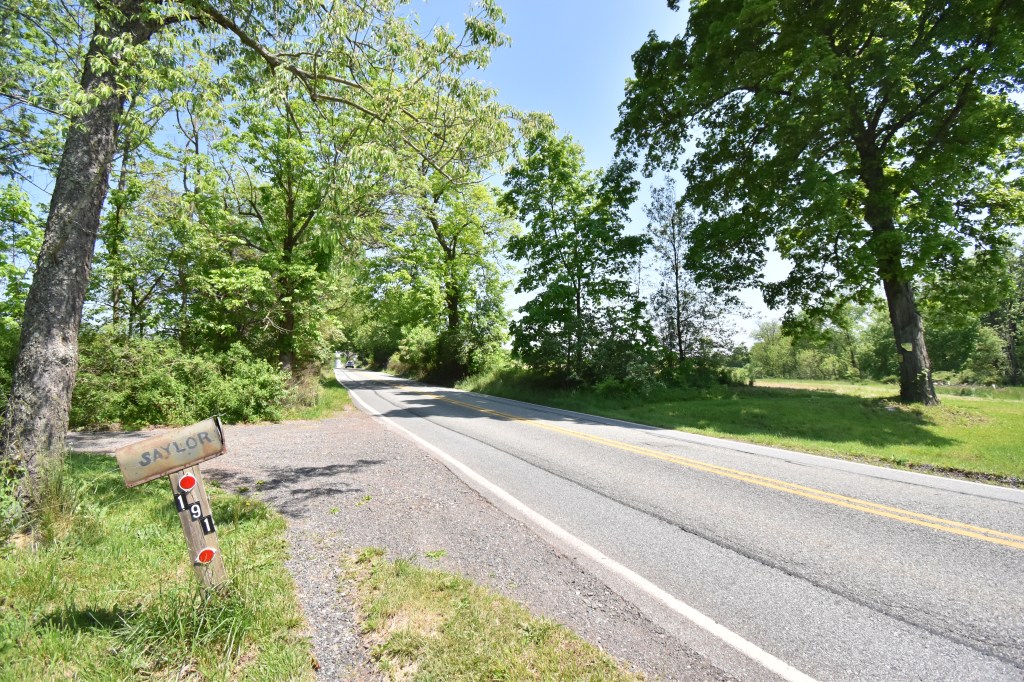
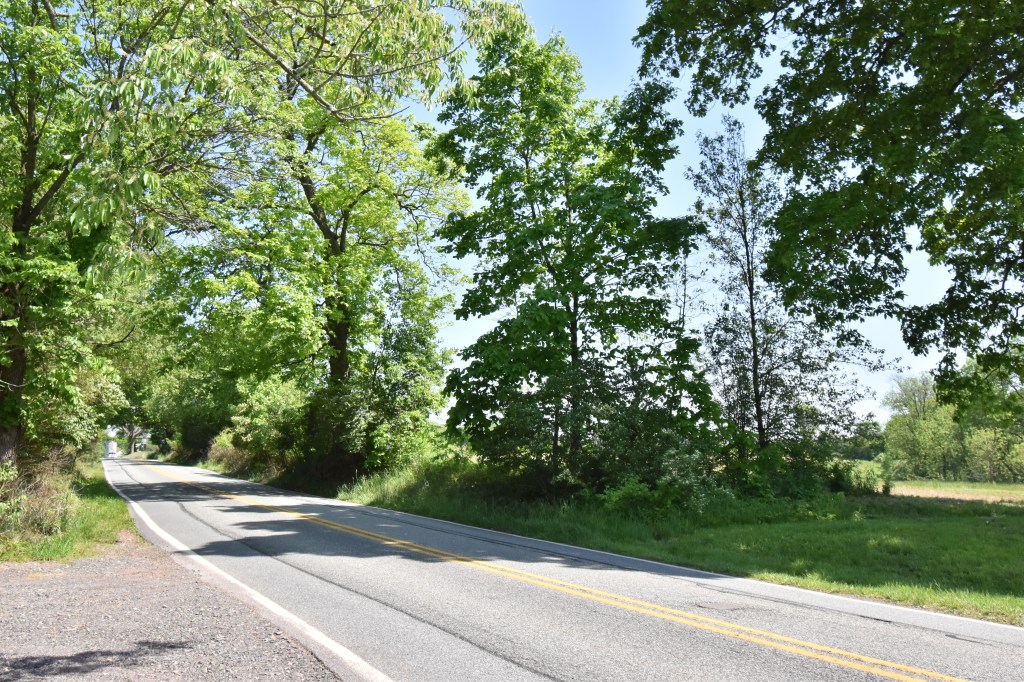
In the book “Limerick Township: A Journey Through Time 1699 – 1987”, Muriel Lichtenwalner relates a story where as the army marched along, they stopped to rest under an oak tree by the side of the road on the property of Limerick resident, Henry Saylor. Saylor came out of his house and spoke to Washington. There’s no record of what was said, but as of 1987, the oak tree was still there. The Saylor family still owns the property, and I couldn’t find the oak tree, so it probably came down within the past thirty-three years. (see pictures). There were a number of homes along this road and I’m sure may residents witnessed the passing of the army. One of the great things about this area is in looking at the Saylor pictures of today on Linfield-Trappe Road, besides the paved road, I bet this looked very similar to how it was in 1777 (less a few trees).
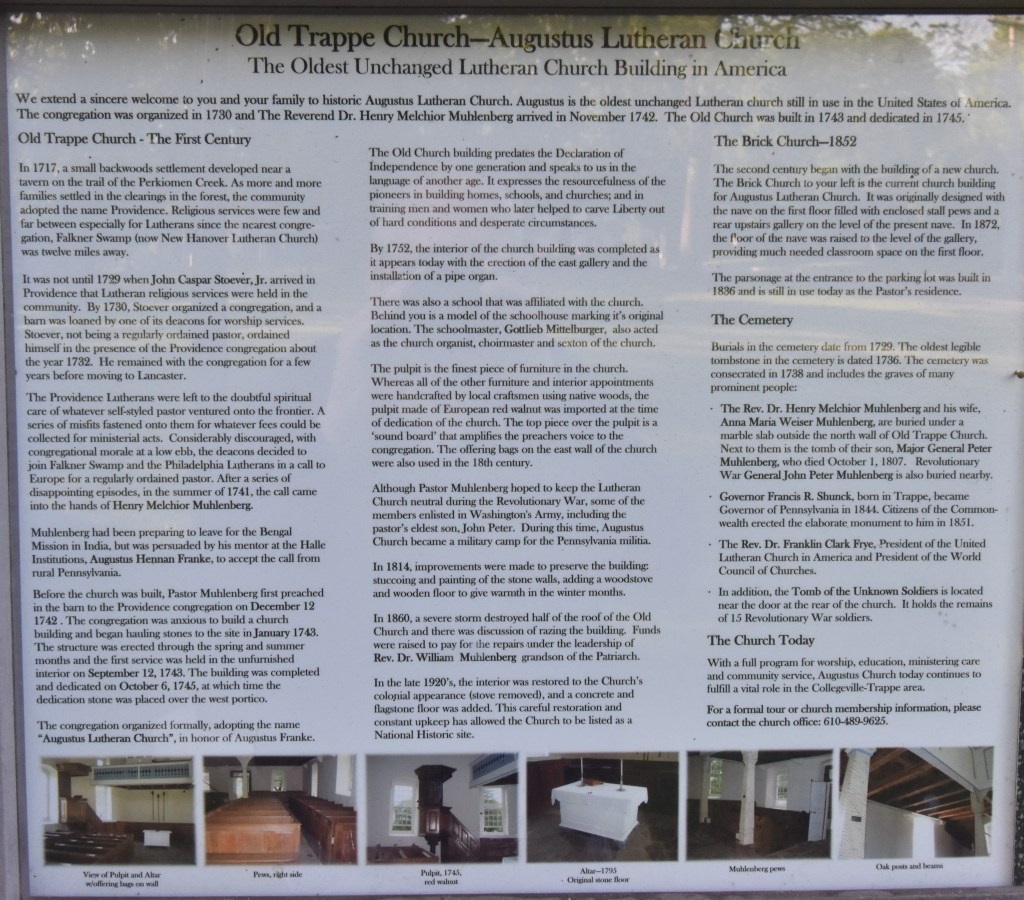
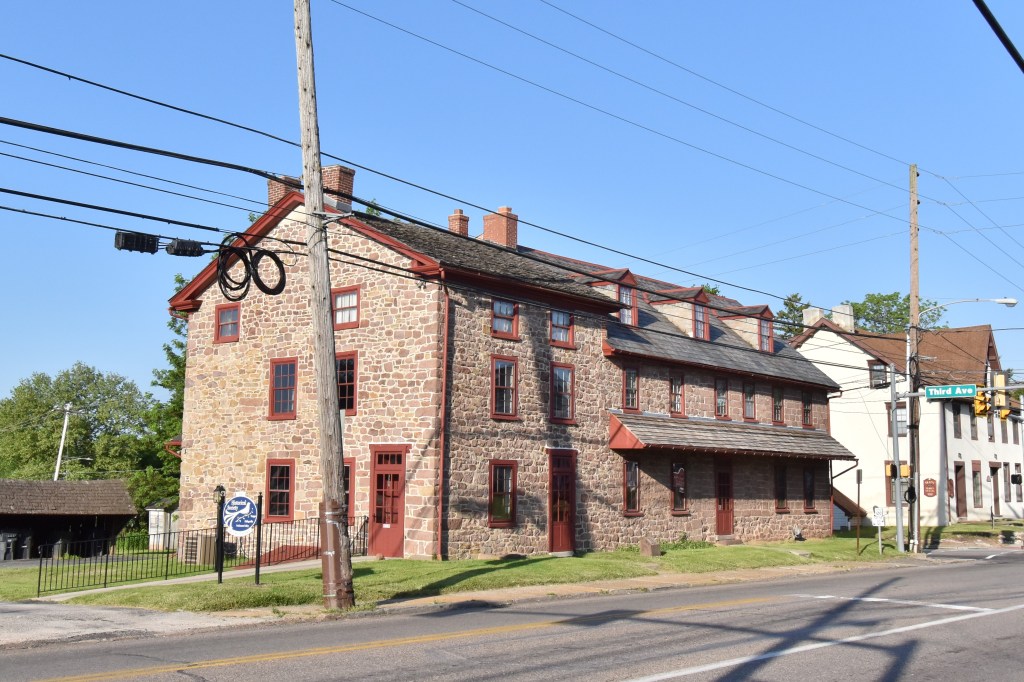
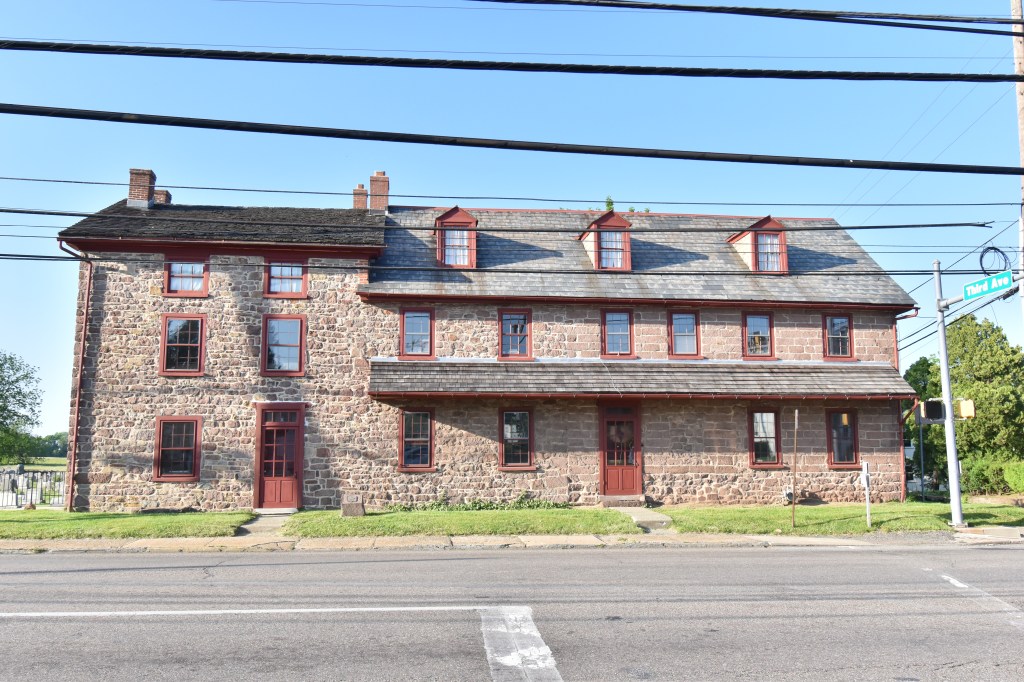
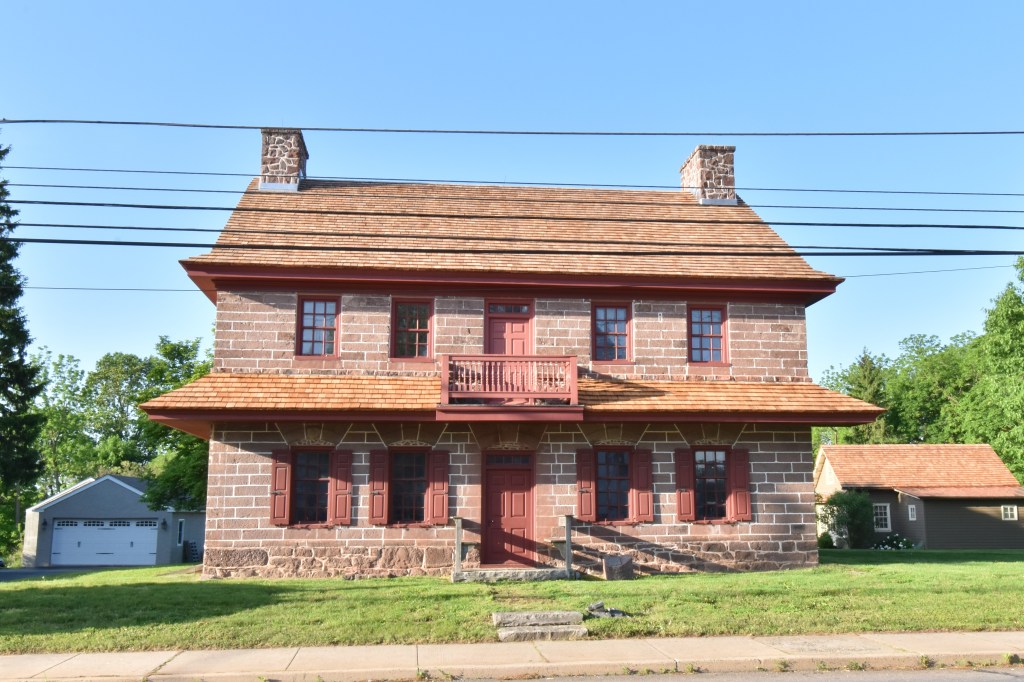
The army reached Trappe and onto the Great Road, passing by first the Augustus Lutheran Church and then farther along, the Dewees Tavern which was built around 1750 which served as a local meeting place besides tavern; and then the home of Henry Muhlenberg. Here is part of Muhlenberg’s diary entry that night which I posted in part 2: “The American troops then marched through the Schulkiel, four miles from us, and came out on the road to Philadelphia at Augustus Church [the Great Road I mentioned above]. They had to wade through the river up to their chests. His Excellency General W[ashington] was himself with the troops who marched past here to the Perkiome. The passage of the troops lasted through the night and we had all kinds of visitors, officers, etc. To get wet up to one’s chest and then to march in the cold, foggy night while enduring hunger and thirst, etc. is hard for the poor men. It takes courage, health, etc.” (Tappert and Doberstein, Muhlenberg Journals, 3:77–78).”
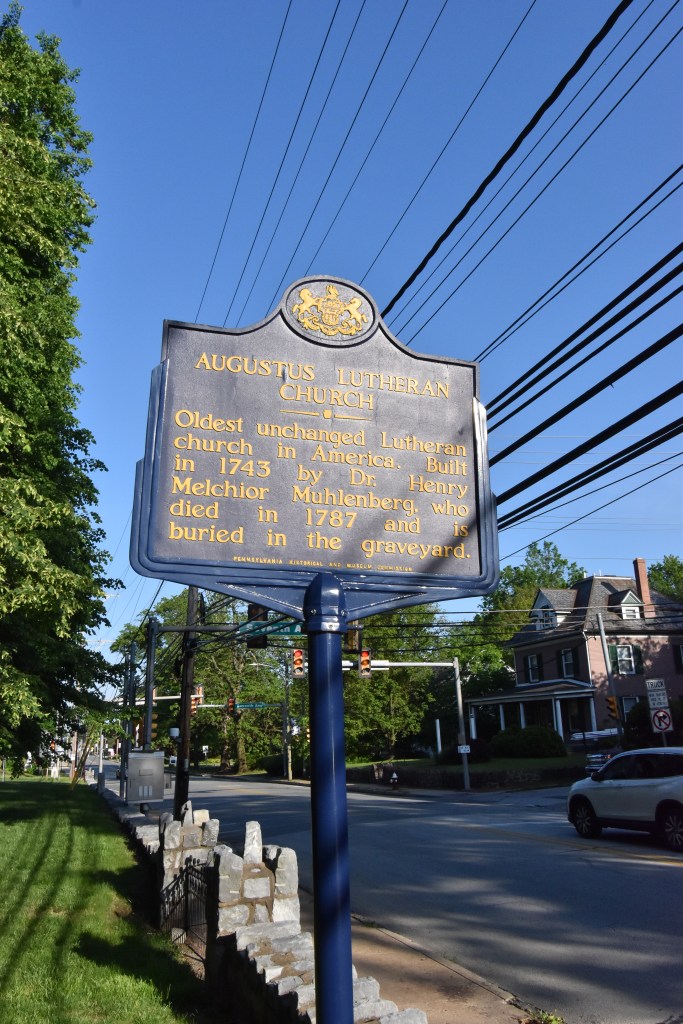
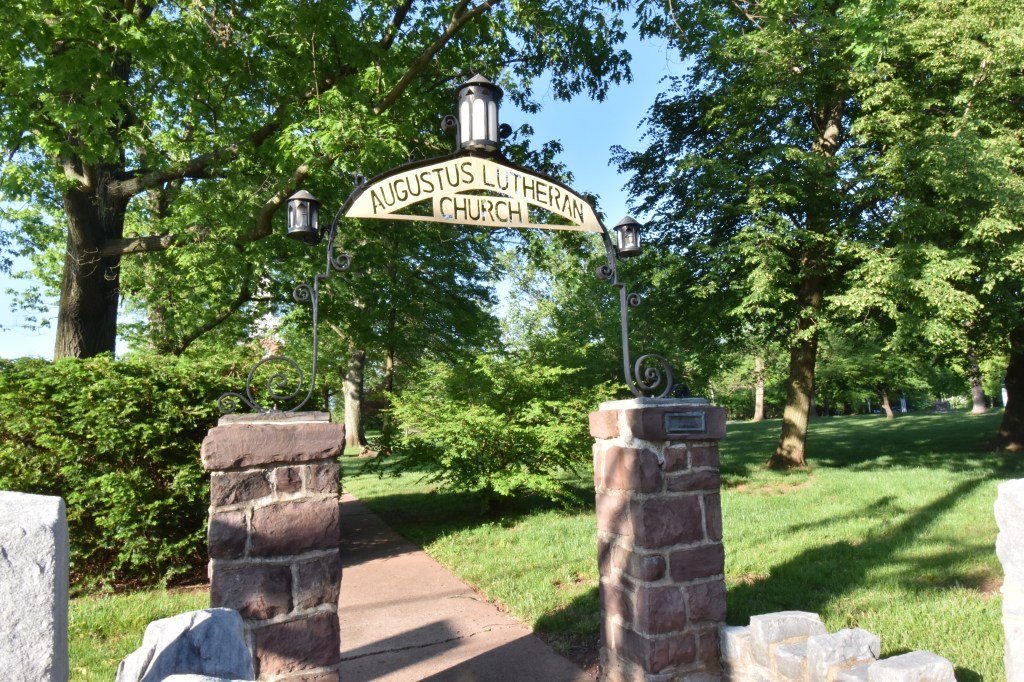
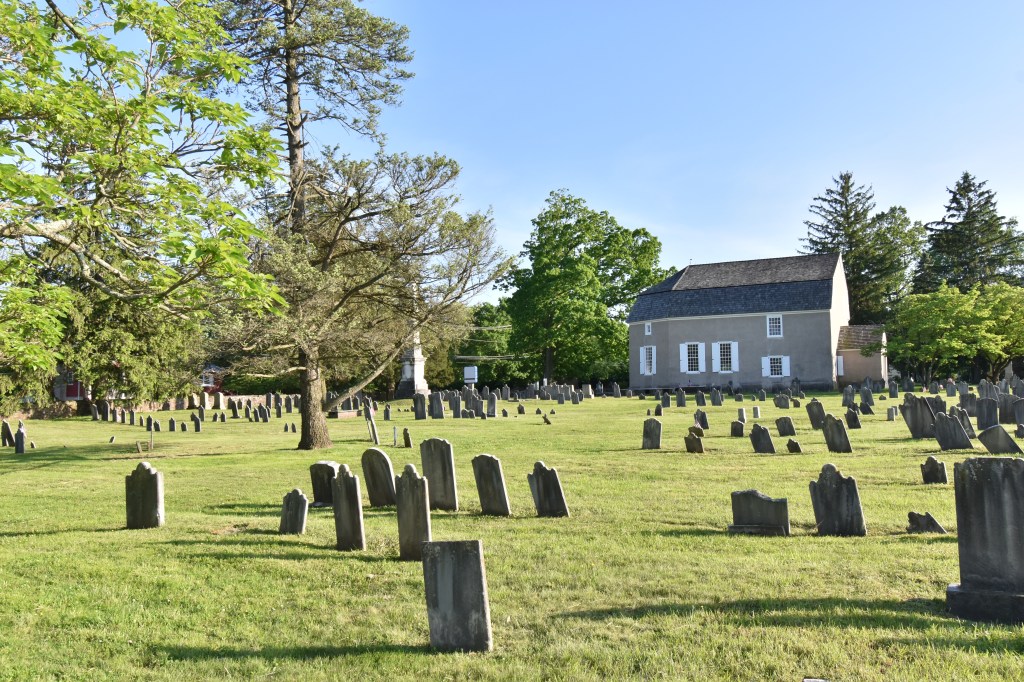
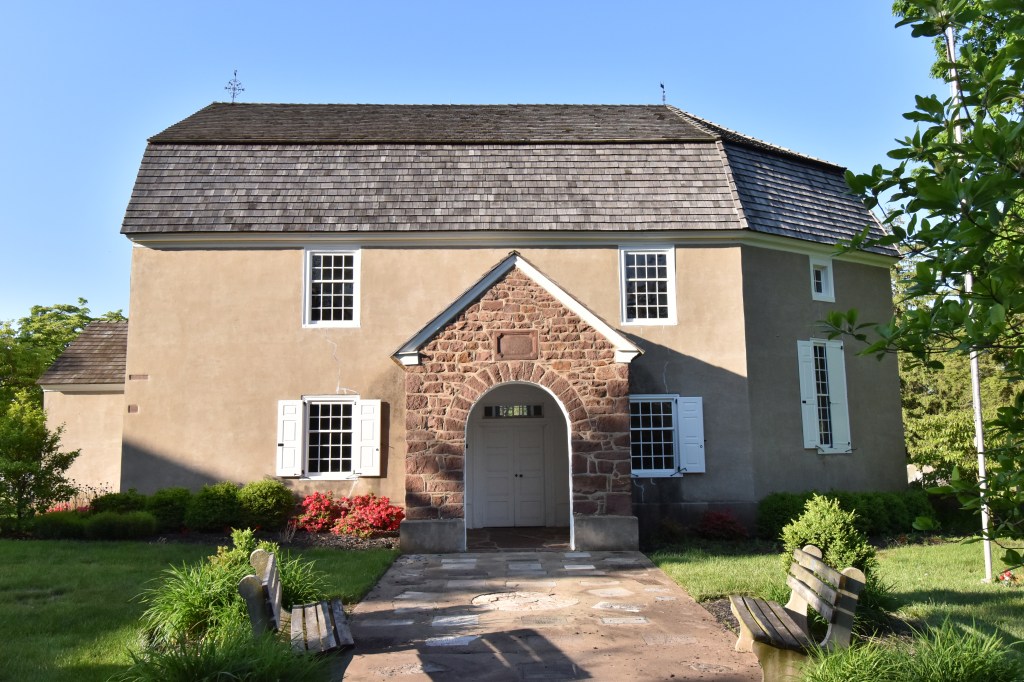
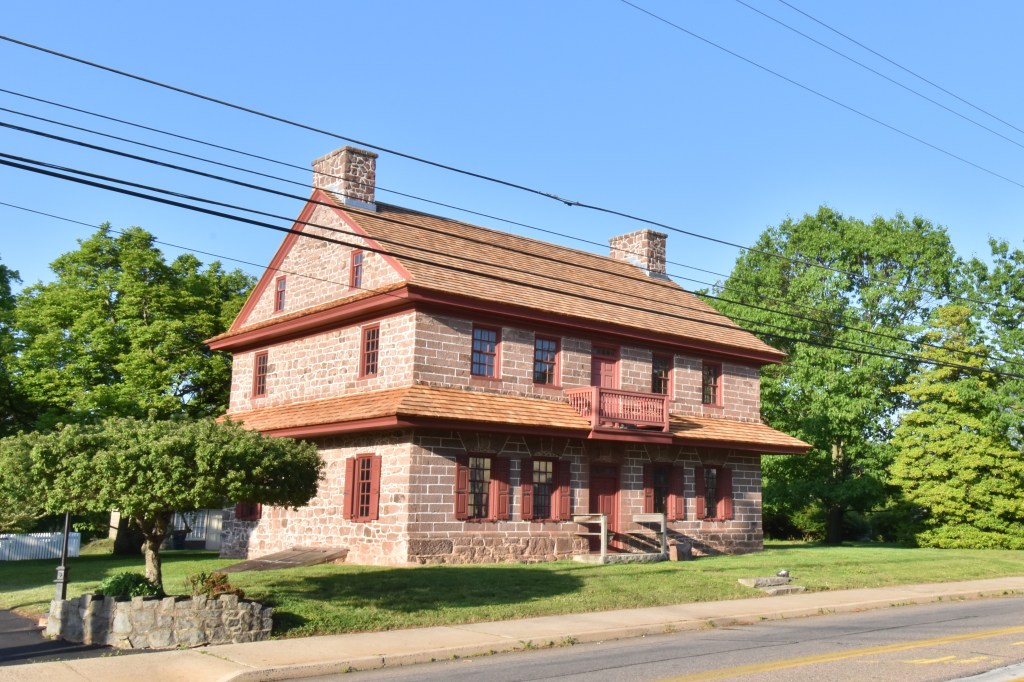
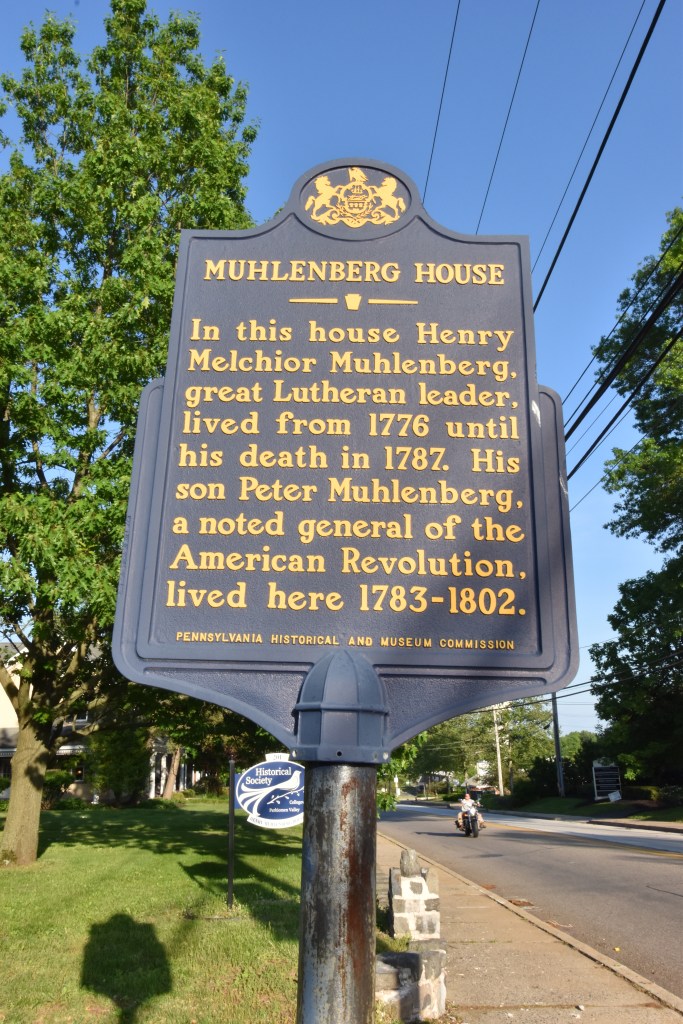
After passing through Trappe, the army proceeded through present-day Collegeville to the Perkiomen Creek. A permanent bridge of the Perkiomen wasn’t built until 1799 and prior to that, the creek was crossed at Phillips Ford or over small, wooden bridges which did not survive. They crossed the creek and camped on the far side.
I’ll revisit Trappe and Muhlenberg in future posts, as the Continental Army move back through the area several times until settling at Valley Forge.
Also, the Augustus Lutheran Church served as a hospital during the Philadelphia campaign and it’s cemetery has many colonial-era graves including Revolutionary War veterans and unknown soldiers. I’ll post more about this under my Philadelphia Campaign Hospitals and Burial Sites topic.
 Solutions To History